
Dental emergencies often occur without warning and can cause significant discomfort, stress, and disruption to daily life. When sudden pain or injury affects the teeth or gums, knowing how to respond can make a meaningful difference in the outcome. Many individuals seek help from an emergency dentist in Beverly Hills because this area is home to professionals experienced in managing urgent dental situations with precision and care. This article explores the most common dental emergencies, why they occur, and the best steps to take when they happen.
Understanding Dental Emergencies
A dental emergency is any situation involving the teeth or gums that requires immediate attention. Some emergencies result from accidents or injuries, while others stem from underlying dental issues that suddenly worsen. In any case, timely action is crucial for reducing pain and preventing long term damage.
When to Seek Urgent Dental Care
Not every dental issue requires instant attention, but certain symptoms should never be ignored. Severe pain, significant bleeding, swelling of the face or gums, and injuries that loosen or knock out teeth are all signs that urgent care is needed. Seeking help promptly from a dental professional can often save the tooth and prevent complications.
The Role of an Emergency Dentist
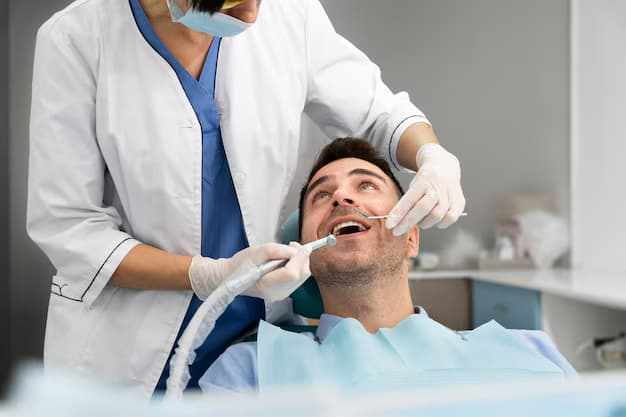
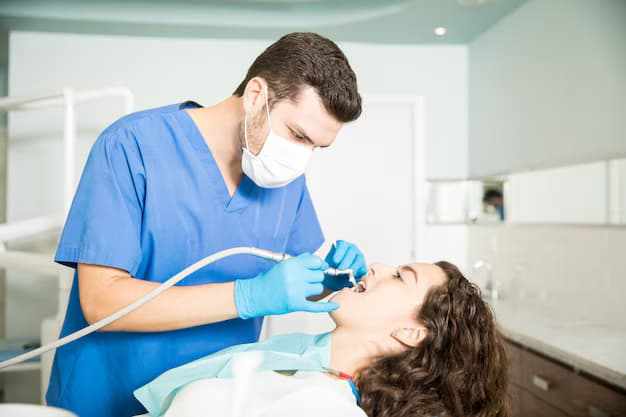
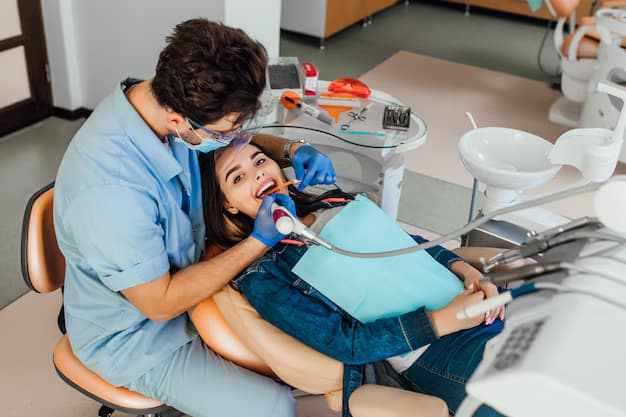
An emergency dentist in Beverly Hills is trained to diagnose and treat urgent dental issues quickly. These professionals can manage everything from severe infections and fractures to knocked out teeth. Their expertise and access to advanced tools help ensure that patients receive prompt and effective care.
Toothaches: One of the Most Common Dental Emergencies
A toothache may seem like a minor issue, but when the pain becomes intense or persistent, it can indicate a more serious problem. Toothaches can stem from various causes, including decay, infections, or trauma.
What Causes Toothaches
The most common reasons for severe tooth pain include cavities, cracked teeth, abscesses, or exposed nerve tissue. These conditions often worsen without treatment, making it important to seek professional help promptly.
How to Handle a Severe Toothache
Individuals experiencing a toothache can begin by rinsing the mouth with warm water to remove food particles. Applying a cold compress to the outside of the cheek may help reduce swelling and discomfort. Over the counter pain relief can also provide temporary comfort. However, it is crucial to seek prompt help from a dental professional to determine the cause of the pain and prevent further damage.
Knocked Out Teeth: A True Dental Emergency
A knocked out tooth is one of the most time sensitive dental emergencies. The quicker a person seeks help, the better the chance of saving the tooth.
Immediate Steps After Losing a Tooth
If a tooth is knocked out, it should be handled carefully. Touching the root should be avoided. The tooth can be gently rinsed with water if dirty, but scrubbing it should be avoided. Ideally, the tooth should be placed back into the socket. If this is not possible, it can be stored in milk or in saliva inside a clean container. Seeking care from an emergency dentist in Beverly Hills within one hour offers the best chance for successful reimplantation.
Why Quick Action Matters
The cells on the root of a knocked out tooth can begin to die within minutes. prompt action helps preserve the tooth structure and increases the likelihood that it can be saved.
Broken or Chipped Teeth: A Common Result of Dental Trauma
Teeth can break or chip due to accidents, biting hard foods, or underlying decay. While small chips may not be urgent, larger fractures require immediate attention.
How to Respond to a Broken Tooth
Individuals who break a tooth should rinse their mouth with warm water and try to save any broken pieces. A cold compress can help reduce swelling. Dental wax can be used to cover any sharp edges and prevent injury to the tongue or cheeks. A dental professional can determine whether the tooth needs bonding, a crown, or more advanced treatment.
Potential Complications
A broken tooth can expose the inner layers of the tooth, leading to pain and increased sensitivity. Without treatment, bacteria can enter the tooth and cause infection, making timely care essential.
Lost or Damaged Fillings and Crowns
Fillings and crowns restore damaged teeth, but they can sometimes become loose or fall out. This can leave the tooth vulnerable and cause increased sensitivity.
What to Do If a Filling or Crown Comes Out
If a filling or crown becomes loose, keeping the area clean is important. Clove oil on a cotton swab may help ease sensitivity temporarily. Some individuals use temporary dental cement, available at most pharmacies, to cover the exposed area. However, this should only be a short term solution. A dental professional must replace the filling or crown to restore full function and protection.
Why Professional Help Is Necessary
Lost restorations expose the tooth to bacteria and increase the risk of infection. A dental appointment should be scheduled as soon as possible to prevent further damage.
Dental Abscesses: A Serious and Painful Condition
A dental abscess is a pocket of infection that forms around the root of a tooth or in the gum tissue. Abscesses are often extremely painful and can spread if not treated promptly.
Symptoms of a Dental Abscess
Signs of an abscess include throbbing pain, swelling, fever, and a bad taste in the mouth. Pus may also be visible near the affected tooth. Abscesses should always be treated as emergencies because the infection can spread to other parts of the body.
How to Handle an Abscess Until Treatment
Individuals with an abscess should rinse their mouth with warm salt water to help draw out infection and reduce discomfort. Pain relief can help manage symptoms temporarily. However, a dental professional must treat the abscess, often through drainage, antibiotics, or root canal therapy.
Soft Tissue Injuries in the Mouth
Injuries to the gums, lips, cheeks, or tongue can cause bleeding and discomfort. These injuries often occur during sports, accidents, or biting down unexpectedly.
Managing Soft Tissue Injuries
Rinsing the mouth gently with warm water can help clean the area. Applying pressure with a clean cloth or gauze can help stop bleeding. A cold compress can also reduce swelling and pain. If bleeding does not stop within several minutes or the injury is severe, urgent dental care is necessary.
Preventing Soft Tissue Damage
Protective measures, such as wearing mouthguards during sports, can significantly reduce the risk of injuries. Avoiding hard foods and being cautious when chewing can also help prevent accidental bites.
Preventing Dental Emergencies
Although accidents can happen at any time, many dental emergencies can be prevented with good oral care and healthy habits.
Maintaining Routine Dental Appointments
Regular checkups allow dental professionals to identify problems before they become serious. Early treatment can prevent painful emergencies and support long term oral health.
Practicing Good Oral Hygiene
Consistent brushing and flossing help prevent decay, gum disease, and infections. Strong and healthy teeth are less likely to suffer from emergencies.
Using Protective Gear
Individuals who participate in contact sports or physical activities benefit greatly from wearing mouthguards. These protective devices cushion the teeth and help prevent injury.
Conclusion
Dental emergencies can be stressful and painful, but knowing how to respond can significantly improve outcomes. Whether dealing with a toothache, a broken tooth, an abscess, or a knocked out tooth, quick action and proper care are essential. Seeking help from an emergency dentist in Beverly Hills ensures that individuals receive the prompt and professional treatment they need during urgent situations.
For trusted support and exceptional emergency care, Clove Dental Beverly Hills is committed to assisting patients with compassion and expertise.




Write a comment ...